
Parkades and underground garages
High operating hours make parkades strong candidates for efficient fixtures and properly configured occupancy controls, while maintaining usable illumination and resident confidence.
Strata lighting upgrades
PTX assesses common-area lighting, operating schedules, controls and maintenance problems so councils and property managers can compare a practical scope—not simply a fixture count.
01
High operating hours make parkades strong candidates for efficient fixtures and properly configured occupancy controls, while maintaining usable illumination and resident confidence.
These areas need dependable illumination, suitable fixture selection and controls that respect safety and operational requirements.
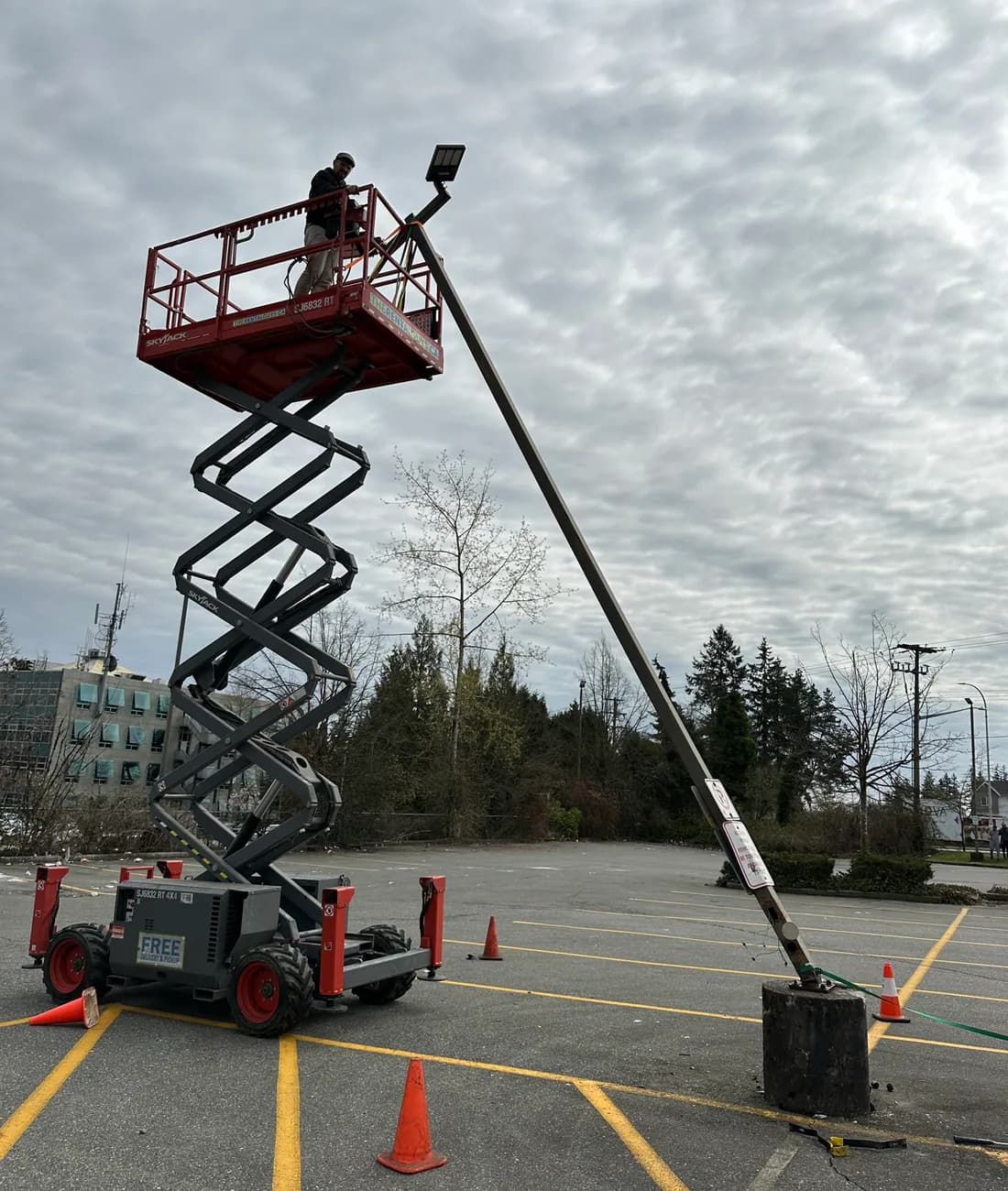
Entrances, paths, loading areas and building perimeters require suitable distribution, weather exposure protection and control by schedule or ambient light.
Repeated lamp, ballast, driver or sensor failures can justify a standardized replacement strategy that reduces incompatible parts and return visits.
02
Fixture types, wattages, drivers or ballasts, emergency components and the condition of accessible wiring and controls.
Operating hours, occupancy patterns, vehicle and pedestrian movement, security expectations and maintenance access.
Occupancy sensors, photocells, timers, dimming, minimum light levels and how the system should behave when a control fails.
Options, priorities, assumptions, expected operational effects and implementation phases that a council or manager can evaluate.
03
Document representative equipment, locations, controls, operating conditions and known maintenance problems.
Compare practical fixture and control approaches, including staged work where it improves budgeting or access.
Check current program eligibility, application timing, product requirements and required pre-approval before committing applicable costs.
Complete the authorized work, configure controls, verify operation and provide useful turnover information.
Questions
Often, but equipment quality, heat, drivers, controls, installation conditions and standardization affect the result. The lowest fixture price is not always the lowest operating cost.
Often, with an appropriate design. Detection coverage, minimum illumination, ramp and entrance conditions, safety and resident experience must be considered.
No contractor should guarantee program approval. PTX can support the process, while the program administrator controls eligibility, pre-approval, inspection and funding.
Yes. A property may prioritize failing equipment, long-hour areas or defined buildings, provided the phases form a coherent long-term system.
Yes. Ongoing service helps protect the upgrade by addressing failed components, damaged equipment, control changes and future additions.
Start with useful information
For planned work, send the address, access context and safe photographs. For an urgent electrical safety concern, call the 24-hour emergency phone line.
PTX locations
New Westminster location