
Documented field work
Installation details and completed work
The need
The owner had shared a video showing the stove breaker tripping. A tenant had also reported that a receptacle was not working. PTX checked the breakers, the stove and the receptacle to identify the recorded issues.
PTX's approach
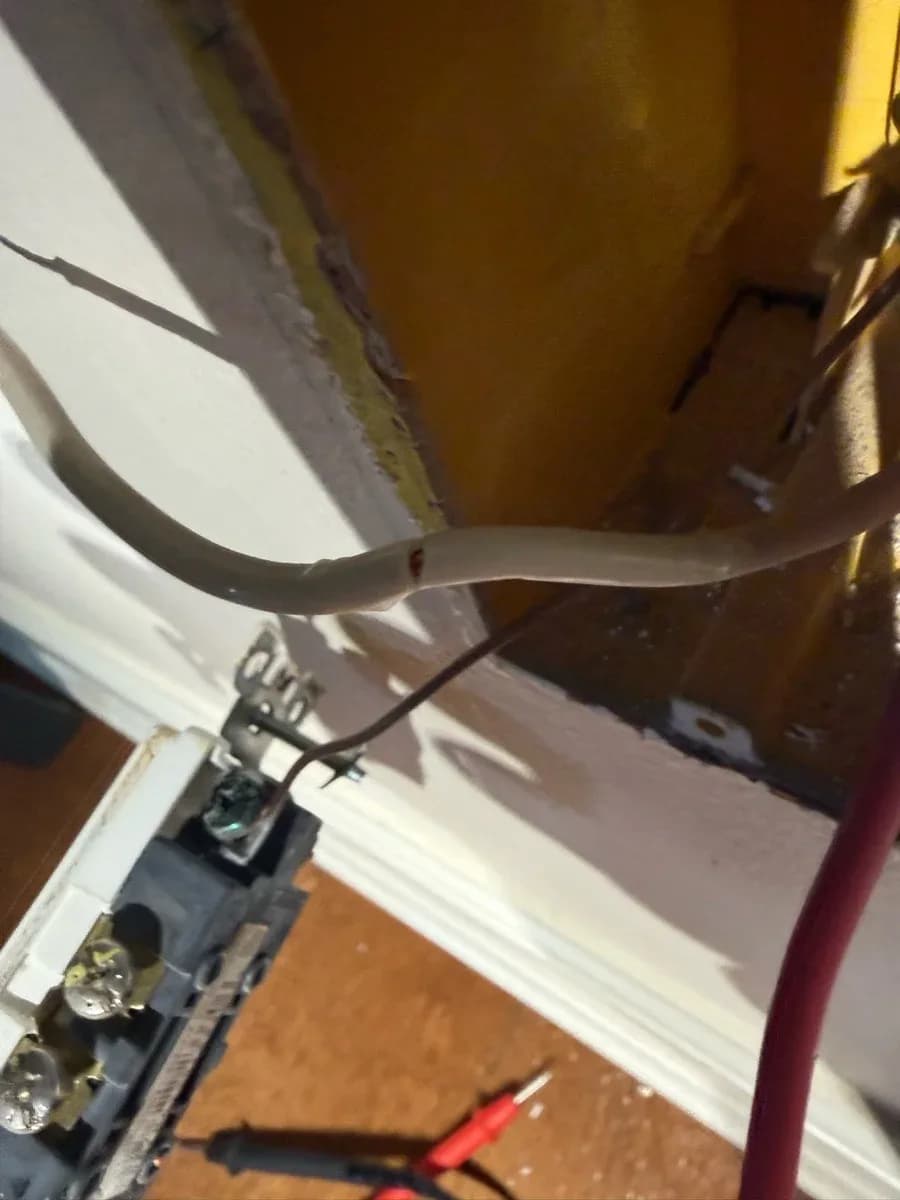
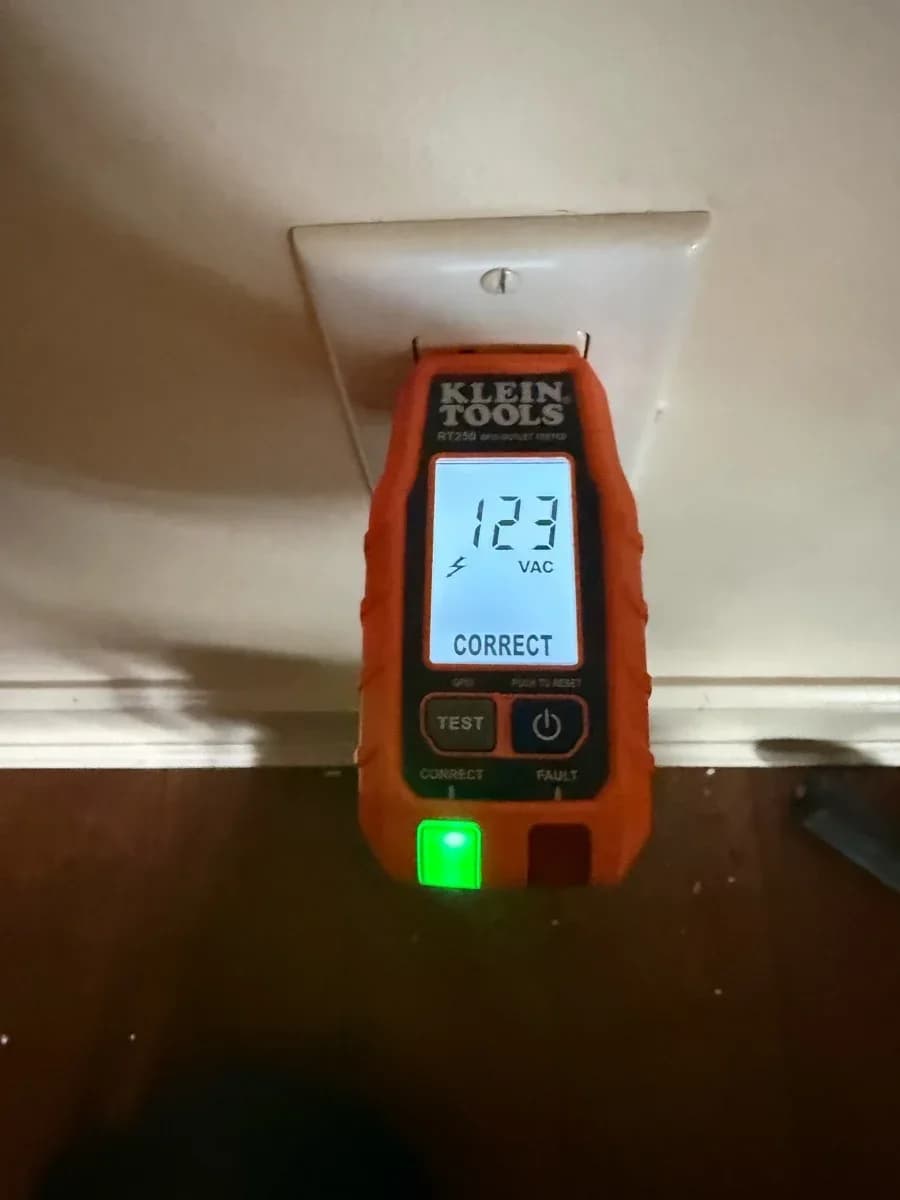
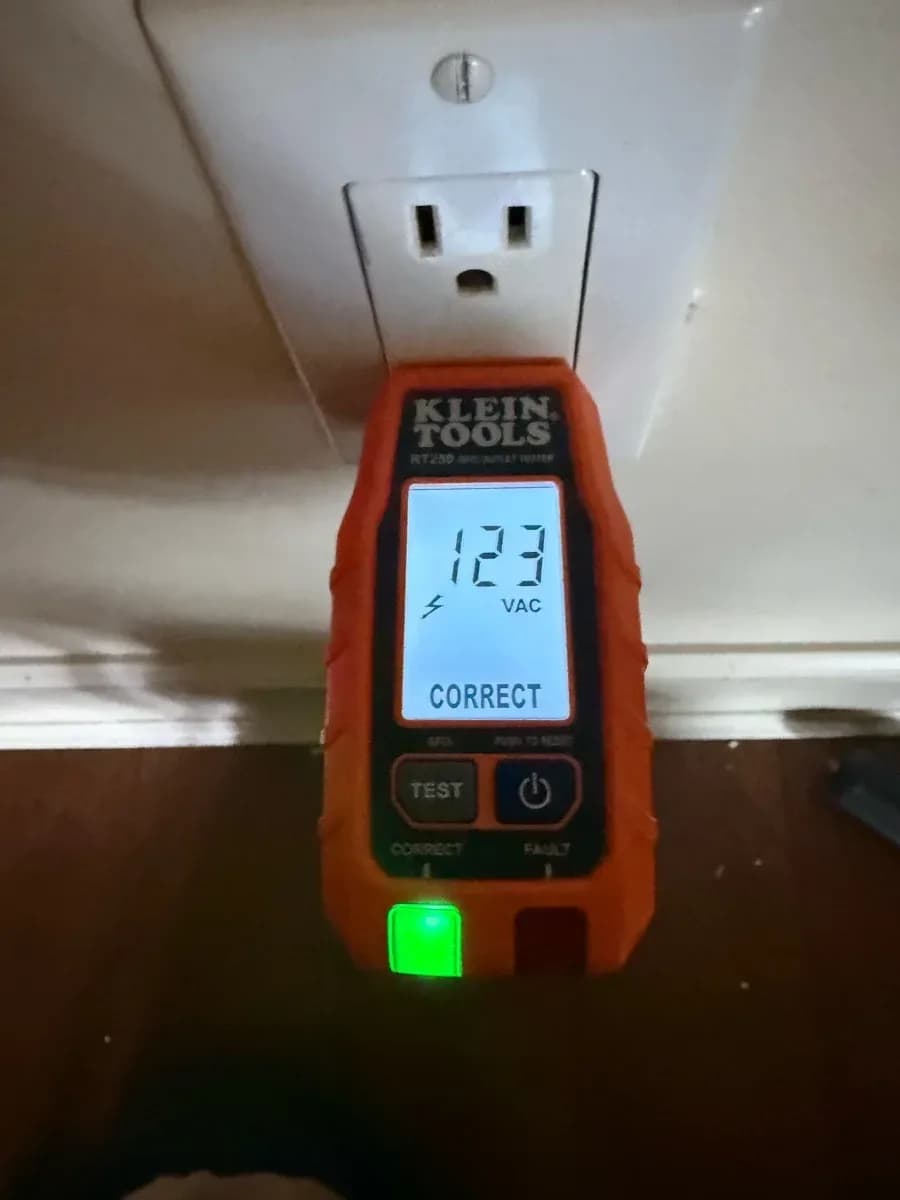
The stove was operated with all elements turned on while the breaker was checked. The existing two-pole 40-amp breaker was disconnected and removed, and a new 40-amp breaker was installed. At the receptacle, the team found no voltage on the connected black wire, 120 volts on the red wire and damaged insulation with exposed copper on the white wire. A new section of wire was spliced in, the red and black wires were swapped at the receptacle, and a loose live wire at the stove receptacle was tightened.
The recorded result
The receptacle was working after the wiring was corrected. During the initial stove check, the recorded voltage and amperage were proper and the breaker did not trip during approximately 20 minutes of operation. The owner’s video showed the intermittent tripping. After the breaker replacement, the stove was tested again and was working. A loose connection at the stove receptacle was also tightened, and the work area was cleaned up.
What this job helps another property owner consider
When a stove breaker trips or a receptacle stops working, the useful first step is an electrical inspection of the affected breaker, receptacle and wiring connections. In this Vancouver example, the recorded issues involved the breaker, damaged wire insulation and a loose connection, so the cause was not assumed from the symptom alone.
Frequently asked questions
Questions property decision-makers ask
What was repaired during this Vancouver electrical service call?
PTX replaced a two-pole 40-amp breaker, repaired a damaged wire section, corrected the receptacle wiring and tightened a loose wire at the stove receptacle.