
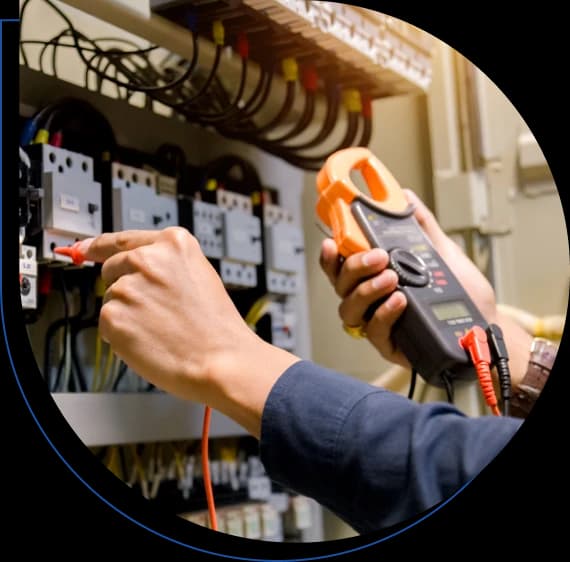
Begin with the electrical system, not the wish list
New fixtures and devices are visible, but the service, panels, circuits, grounding and accessible wiring determine what the property can support. A practical review identifies immediate concerns and helps separate worthwhile improvements from work that can wait.
For a sale, renovation or capital plan, clear documentation can be as valuable as the equipment itself. Keep permits, inspection records, panel schedules, reports and invoices available for future owners or property managers.
Eight upgrades worth considering
The right combination varies by property. These are common opportunities PTX reviews during service calls and assessments.
- Updated interior, exterior and landscape lighting
- Modern switches, dimmers, timers and receptacles
- Smoke and carbon-monoxide alarm replacement where required
- Assessment and correction planning for older wiring
- GFCI and other appropriate protective devices
- Panel, breaker and circuit improvements
- EV charging, heat-pump or hot-tub capacity planning
- Smart controls and energy-conscious equipment
Capacity matters to future owners
People increasingly ask whether a property can support vehicle charging, electric heating, cooling, a suite, workshop equipment or other new loads. The answer is not determined by the panel label alone.
An electrician may need to review service size, existing demand, panel space, feeder capacity and the condition of the distribution equipment before recommending an upgrade or load-management strategy.
Practical takeaway: Do not replace a panel or enlarge a service solely because it sounds more marketable. First confirm the actual condition, present loads and realistic future uses.
Visible improvements still have value
Consistent lighting, working controls and undamaged devices make a property feel maintained. They can also solve real problems such as dark entrances, insufficient kitchen lighting, loose receptacles or extension-cord dependence.
A focused service visit can often combine several small corrections. When electrical access affects walls or ceilings, PTX can coordinate the electrical work with in-house drywall repair and handyman support.
Plan the work in the right order
Address hazards and failed equipment first. Next, solve capacity or reliability problems that affect the planned use of the property. Cosmetic and convenience improvements can then be grouped efficiently around the higher-priority work.
PTX handles service-driven projects and can help owners, strata corporations and co-operative housing clients turn an assessment into a phased scope, budget and completed repair.
Frequently asked questions
Questions property decision-makers ask
Does every older home need a panel upgrade?
No. Age alone does not determine the answer. Condition, capacity, equipment type and the property's planned loads should be reviewed first.
Can lighting upgrades improve a property's appeal?
Yes. Consistent, well-placed lighting can improve comfort and presentation, while appropriate LED equipment and controls may also reduce maintenance and energy use.
Should electrical work be documented?
Yes. Keep permits, inspection records, reports, invoices and equipment information so future owners and property managers can understand what was completed.
Can PTX repair finishes after electrical access?
Yes. PTX can coordinate in-house drywall repair and handyman work when the electrical scope requires access through finished surfaces.