
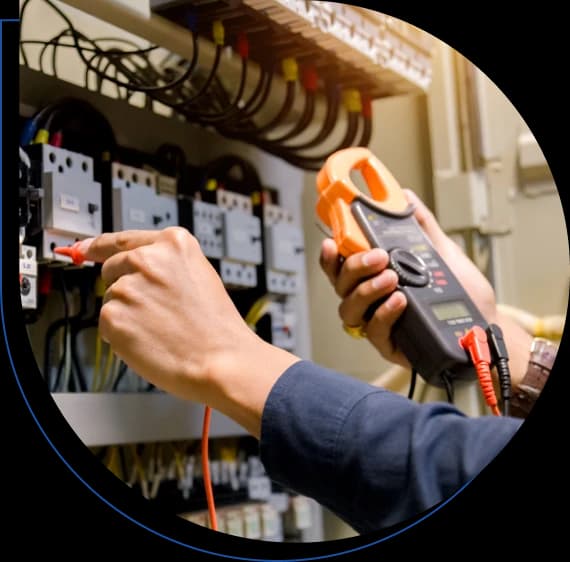
Start with the type of electrical problem
A contractor who is a good fit for new construction may not be organized for a late-night outage, intermittent breaker fault or occupied strata repair. Begin by identifying whether the need is emergency response, a service call, an assessment, planned installation or a larger property project.
PTX is structured around responsive service and practical follow-through. That includes diagnosis, electrical repair and coordination of related drywall or handyman work when access affects finishes.
Verify the business before comparing proposals
Technical Safety BC provides a public licensed-contractor guide. Search the company, ask for its licence information and confirm the details rather than relying on a logo or an advertising claim.
For property managers and commercial decision-makers, a current WorkSafeBC clearance letter can also help confirm registration and payment status. Insurance and other project-specific credentials should be requested directly.
- Licensed-contractor verification
- Permit responsibility and inspection process
- Liability insurance appropriate to the work
- WorkSafeBC clearance where applicable
- Named contact and clear business information
Compare scope and completion
A low number is not useful if it excludes troubleshooting, access, disposal, labelling, documentation or finish repair that the project will still require. Ask what is included, what remains uncertain and how changes will be approved.
For service work, it is reasonable for diagnosis to precede a firm repair scope. The important point is that the contractor explains the process, communicates findings and obtains authorization before expanding the work.
Practical takeaway: Compare the complete path to a safe, usable result—not only the first line of an estimate.
Evaluate communication and response
For an urgent call, ask whether the situation is safe to leave, what immediate precautions to take and when a qualified person can respond. For planned work, look for clear scheduling, access requirements and a realistic description of what could change after investigation.
Good communication also matters after the installation. Keep invoices, permit or inspection records, equipment information and updated panel schedules together where applicable.
Questions to ask before authorizing work
The same short list works for a homeowner, strata council or facilities contact. The answers should become more detailed as project risk and value increase.
- Have you handled this type of occupied property and service problem before?
- Who obtains any required permit and coordinates inspection?
- What is included, excluded and still subject to investigation?
- How will additional work be priced and approved?
- What records and warranty information will I receive?
- Can you coordinate access and finish repairs if required?
Frequently asked questions
Questions property decision-makers ask
Is the cheapest electrician usually the best choice?
Not necessarily. Compare credentials, scope, exclusions, response, documentation and the complete cost of reaching a finished result.
How can I verify an electrical contractor in B.C.?
Use Technical Safety BC's licensed-contractor guide and ask the contractor for identifying licence information if the company is difficult to locate.
Should the electrician obtain the permit?
Responsibility depends on the work and permit type. Confirm it in writing before work starts. Strata and business properties generally require a licensed contractor for electrical work.
Does PTX serve Vancouver?
Yes. PTX provides electrical service across the Lower Mainland, with a business-development focus from Burnaby east through New Westminster, Coquitlam, Port Moody, Surrey and toward Aldergrove.
Current authoritative resources
Requirements and programs can change. Confirm current information directly: