
Find the load before choosing the upgrade
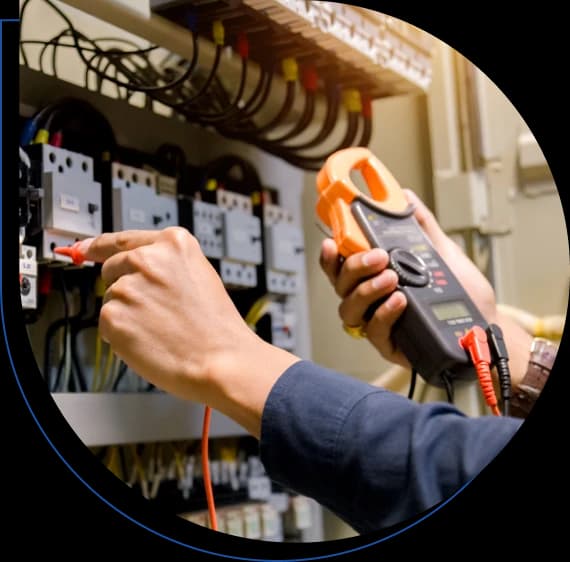
Review bills, schedules, equipment, lighting and known operating patterns. Where justified, measurements or logged demand can help distinguish a large load from long operating hours or a control problem.
- Common-area and parkade lighting
- Exterior lighting schedules
- Fans, pumps and ventilation
- Electric heating and cooling
- Equipment left operating outside useful hours
Electrical improvements that may help
LED lighting, zoning, occupancy sensing, timers, photocells, corrected controls and repair of failing equipment can reduce avoidable operation. Savings depend on the existing condition, usage and selected solution—not on the product label alone.
Practical takeaway: A panel upgrade does not inherently reduce electricity consumption. It may enable other projects, but the energy case belongs to the loads and controls.
Plan incentives before procurement
BC Hydro business programs may support eligible lighting and other efficiency projects. Program requirements change; verify eligibility, product rules and pre-approval before work or purchasing begins.
Frequently asked questions
Questions property decision-makers ask
Will LED lighting always lower a building's bill?
LEDs usually use less power than older equivalent lighting, but actual savings depend on fixture wattage, quantity, operating hours and controls.
Does a new electrical panel save energy?
Not by itself. A panel can improve condition or capacity, while energy savings come from the connected loads and how they operate.
Current authoritative resources
Requirements and programs can change. Confirm current information directly: